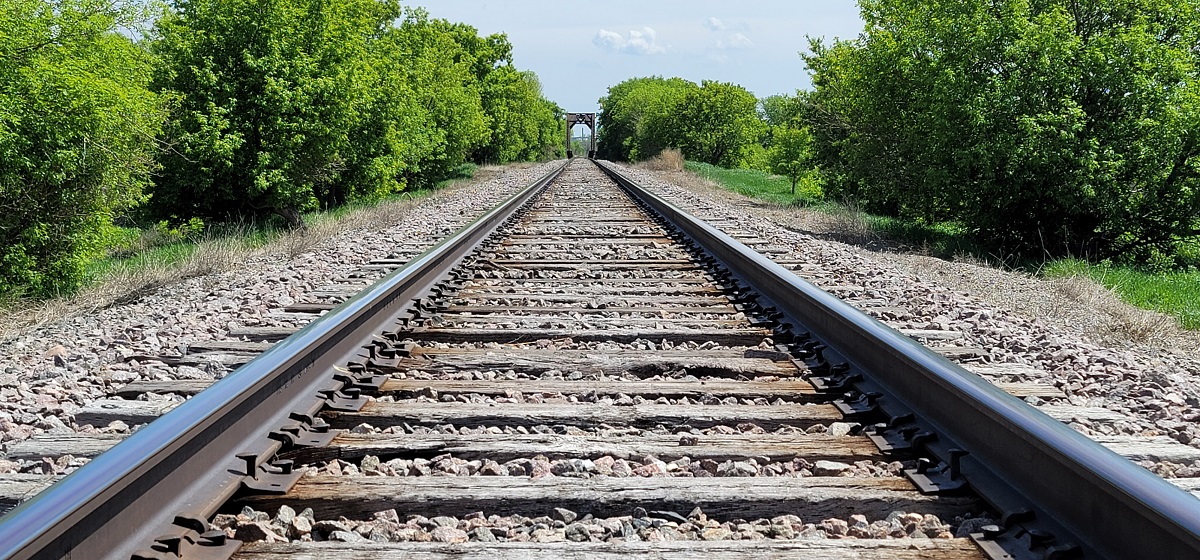
When people find out I work for BNSF Railroad, I usually get one of two reactions. Either "oh, like driving trains?" or a blank stare followed by "what do you actually do?" Fair questions. The railroad is one of those industries that's everywhere — you see trains every day — but most people have no idea what happens behind the scenes to keep them moving.
I've been with BNSF for over fourteen years now. My current position is track inspector, which is exactly what it sounds like: I inspect track. But the "exactly what it sounds like" part hides a lot of complexity.
A Day in the Life
My job is to walk, ride, and drive sections of track looking for defects — things like broken rails, faulty joints, gauge issues, problems with ties or ballast, anything that could compromise the integrity of the line. Some of it is visual. Some of it is measured with tools. All of it matters, because the consequences of missing something aren't theoretical.
The work changes with the seasons out here. In winter, extreme cold makes rail contract and can cause pull-aparts. In summer, heat makes it expand and you watch for sun kinks. Spring brings frost heaves and soft spots from all the moisture. Every season has its own set of problems, and after fourteen years, I've seen most of them.
What People Don't Realize
The railroad never stops. Trains run 24/7, 365. That means the infrastructure has to hold up constantly, and the people maintaining it are out there in every kind of weather this part of the country can throw at you — and up here in the Red River Valley, that's saying something.
I've done this job in minus-thirty wind chills and hundred-degree heat. I've been rained on, snowed on, and sunburned, sometimes in the same week. It's physical work, it's detail-oriented, and it carries real responsibility. But I'll be honest — there's something about being out on the rail, miles from anywhere, with nothing but track and sky, that I've never gotten tired of.
Why I've Stayed
Fourteen years is a long time. I started when I was living in West Fargo, long before I bought the house in Glyndon, before Samantha and I got married, before Lincoln was born. The railroad has been the constant through a lot of life changes.
I've stayed because the work matters. Every train that rolls safely over a section of track I've inspected — that's the job done right. There's no applause, no recognition. Just the quiet knowledge that things are holding together because someone was paying attention.
It's not glamorous. But it's honest work, and there's a lot of pride in that.